


Available data
The data available in Granta EduPack is grouped into databases, which are assigned a Level (1-3) according to the approximate course year they can be used from.
- Introductory
- All Level 1 and 2 databases, plus the standard Level 3 database.
- Full Edition
- All Level 1, 2, and 3 databases, including advanced Level 3 databases suitable for high-level courses and projects in Sustainability, Aerospace, Eco Design, and Polymers.
Available databases in Granta EduPack Introductory
| Database | Description |
|---|---|
Level 1 |
MaterialUniverse records for common engineering materials
(metals, plastics, ceramics, glasses, composites, and natural
materials). It contains more than 60 records, each with a limited
set of attributes. Each attribute is linked to a set of Science
Notes that provides more information about the properties and their
origins. Each material is linked to records for processes that are
used to shape, join, or finish it. Note: Localized versions of this
database are included: Niveau 1, Nivel 1, Ebene 1, and Nível
1. |
Level 2 |
MaterialUniverse records that include comprehensive set of
mechanical, thermal and electrical properties, as well as eco
properties and durability information, for more than 100 common
materials. Each material is linked to records for processes that are
used to shape, join, or finish it. The process records include a
simple cost model to allow cost-comparisons between alternative
processes. Note: Localized versions of this database are included:
Niveau 2, Nivel 2, Ebene 2 and Nível 2. |
Level 2 Built Environment |
More than 120 materials commonly used in architectural applications, including engineered woods, steels, concretes, bricks, and cements etc. A comprehensive set of mechanical, thermal, electrical, hygro-thermal, acoustic and eco properties are provided along with durability information. The materials are grouped by where in a building they can be used. Each material is linked to records for processes that are used to shape, join, or finish it. |
Level 2 Bioengineering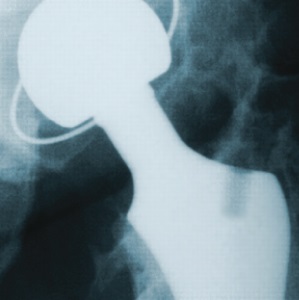 |
A comprehensive set of mechanical, thermal, and electrical properties, as well as eco properties and durability information, for more than 250 common materials. This is supplemented by records on "Bio" materials of all kinds - biological, bio-derived, natural, and bio-medical. The records have extra data on their compatibility with the human body and whether they have been used in medical devices. The additional Bio-related folders have a description of what that group of materials is all about. Each material is linked to records for processes that are used to shape, join or finish it. The process records include a simple cost model that allows cost-comparisons between alternative processes. Medical Devices data is also included, containing datasheets and regulatory information for over 50 generic Caridovascular, Dental, General Surgery and Orthopedic medical devices and 100 FDA Approved products currently on the market. Datasheets include detailed illustrations of devices in-situ as well as standalone, and links to materials datasheets in MaterialUniverse. |
Level 2 Sustainability |
A comprehensive set of mechanical, thermal, optical, electrical, magnetic and environmental properties for over 100 engineering materials. Environmental properties include water usage, climate change (CO2-eq), embodied energy, and end of life information. This is supplemented by data on the material’s country of origin and whether the material is considered a critical material, with links to data on the nations where materials come from and the regulations applicable to materials around the world. This helps students to have a rounded view of the sustainability of a technological development. Finally, data tables on energy storage and generation are also included, as energy usage is a key part of the sustainability question. |
Level 2 Design |
An interactive database of products tailored for courses in Product Design and related fields, including additional aesthetic properties and how they relate to underlying materials properties and principles. |
Level 2 Materials Science and Engineering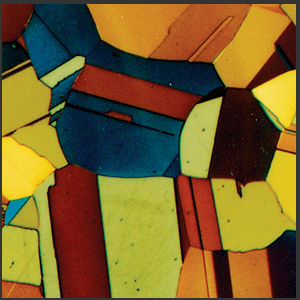 |
Data on a wide range of Functional, Biological and Structural Materials, and an interactive Phase Diagram Tool to illustrate phases, the lever rule and microstructure development. Additional subsets of materials data illustrate how heat treatment, composition, sintering, polymer blending, and foaming affect basic properties. The database also includes Structure Science Notes, explaining mechanisms such as precipitate hardening and electron scattering. |
Level 3  |
MaterialUniverse records containing extensive engineering, economic, and environmental data for over 4000 generic classes of engineering materials, for materials selection, cost optimization, and eco design. Property values are either populated with known, referenced data, or with values estimated using Granta’s estimation and normalization techniques, allowing materials to be screened and ranked based on properties that are not commonly quoted for all materials. This database also includes ProcessUniverse records, that provide information on the main manufacturing processes used for shaping, joining, and surface treatment of materials. Each datasheet summarizes the key characteristics and capabilities of the process, and is linked to applicable materials. |
The Elements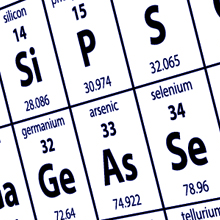 |
The fundamental properties of elements across the Periodic Table, contains 149 records for 118 elements (some have two or three allotropic forms requiring separate records). Each record, lists the position in the Periodic Table, electronic, crystallographic, structural, mechanical, thermal, nuclear, electrical, and magnetic properties. Diffusion data and surface energies are included along with critical material status, with suggested substitute elements for typical applications. |
Additional databases in Granta EduPack Full Edition
| Database | Description |
|---|---|
Level 3 Aerospace |
A comprehensive set of mechanical, thermal, optical, electrical, magnetic and environmental properties for over 4,000 engineering materials. Data on temperature-dependent properties are included. These are taken from the Metallic Materials Properties Development and Standardization (MMPDS) database, which is also included in its entirety. This is the preeminent source for aerospace component design allowables relating to alloys and fasteners, containing over 2,000 records of statistically-derived design data for aerospace alloys in various forms and thicknesses, as well as fatigue curves, and corrosion rankings. It also contains a complete fastener database comprising over 1,000 sheet metal/fastener combinations. The Composite Materials Handbook, CHM-17 is the leading source of test data for advanced polymer, metal, and ceramic matrix composites, containing numerous properties as a function of temperature, lay-up and orientation. |
Level 3 Bioengineering |
A comprehensive set of mechanical, thermal, optical, electrical, magnetic and environmental properties for over 4,000 engineering materials. Additionally there are extra natural, bio-derived, and biomedical materials and accompanying data such as biocompatibility that enables students to compare natural and synthetic materials, consider sustainable alternative materials and select materials for biomedical applications. Each attribute within a record is linked to a set of Science Notes that provide more information about the properties and their origins. Each material is linked to records for processes that are used to shape, join or finish it. The Medical Devices data table is also included in this database, containing datasheets and regulatory information for over 50 generic Caridovascular, Dental, General Surgery and Orthopedic medical devices and 100 FDA Approved products currently on the market. Datasheets include detailed illustrations of devices in-situ as well as standalone, and links to materials datasheets in MaterialUniverse. |
Level 3 Polymer |
Two datatables - an extended MaterialUniverse, with 900 polymer grades including trade names, impact properties and chemical resistance data as well as the usual set of mechanical, thermal, optical, electrical, magnetic and environmental properties, and Global Polymers Plastics, a huge resource of 96,000 plastic resins specification sheets from vendors worldwide. By using the links between these databases you can perform an initial selection of the polymer grade and filler type in MaterialUniverse, and then go on to find purchasable materials and their specification sheets in the Global Polymers Plastics database. |
Level 3 Sustainability |
A comprehensive set of mechanical, thermal, optical, electrical, magnetic, and environmental properties for over 4,000 engineering materials. Environmental properties include whether a material's use is restricted, water usage, climate change (CO2-eq), embodied energy, and end of life information. This is supplemented by data on the material’s country of origin and whether it is considered a critical material. This links to data on the nations where materials come from and the regulations applicable to materials around the world. This database can be used to teach students about the complexities of sustainable development and eco design, helping them assess a product’s impact throughout its lifecycle, developing their skills in information analysis and debate, and preparing them to take an active role in both policy and technical decisions. Finally, data tables on energy storage and generation are also included, as energy usage is a key part of the sustainability question. |