
Finite Element Method
The geometry for the DRA described in this document appears in the following figure.
In HFSS, the model is automatically divided into a large number of tetrahedra. A tetrahedron is a four-sided polyhedron with planar faces that are all triangular (also referred to as a triangular pyramid). Unlike the pyramids of Egypt, the base is triangular, not rectangular, and there is one fewer side. This collection of tetrahedra is referred to as the finite element mesh. The figure below shows the automatically created mesh for the DRA.
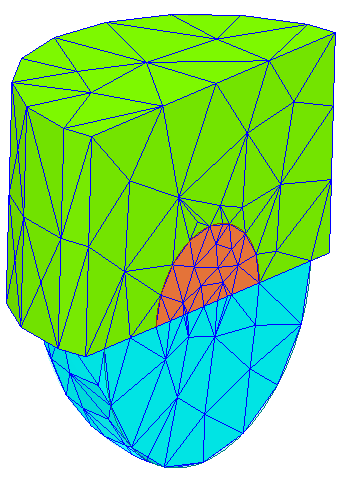
Figure 1-2: The Mesh that Constitutes the Antenna
Dividing a structure into thousands of smaller, basic regions (elements) allows the system to compute the field solution separately in each element. The computations at each individual element are relatively simple, but together, the elements can represent a complex and otherwise unsolvable structure. Generally, the smaller the system makes the elements, the more accurate the final solution will be. The quality of the elements (aspect ratio, internal angles, and so on) is also a consideration.